
Capital Meets Intelligence: CDDJAP 2026 Summer Cohort Launch Ceremony Draws 300+ for a Landmark Afternoon in Hong Kong
Hong Kong, August 28, 2026
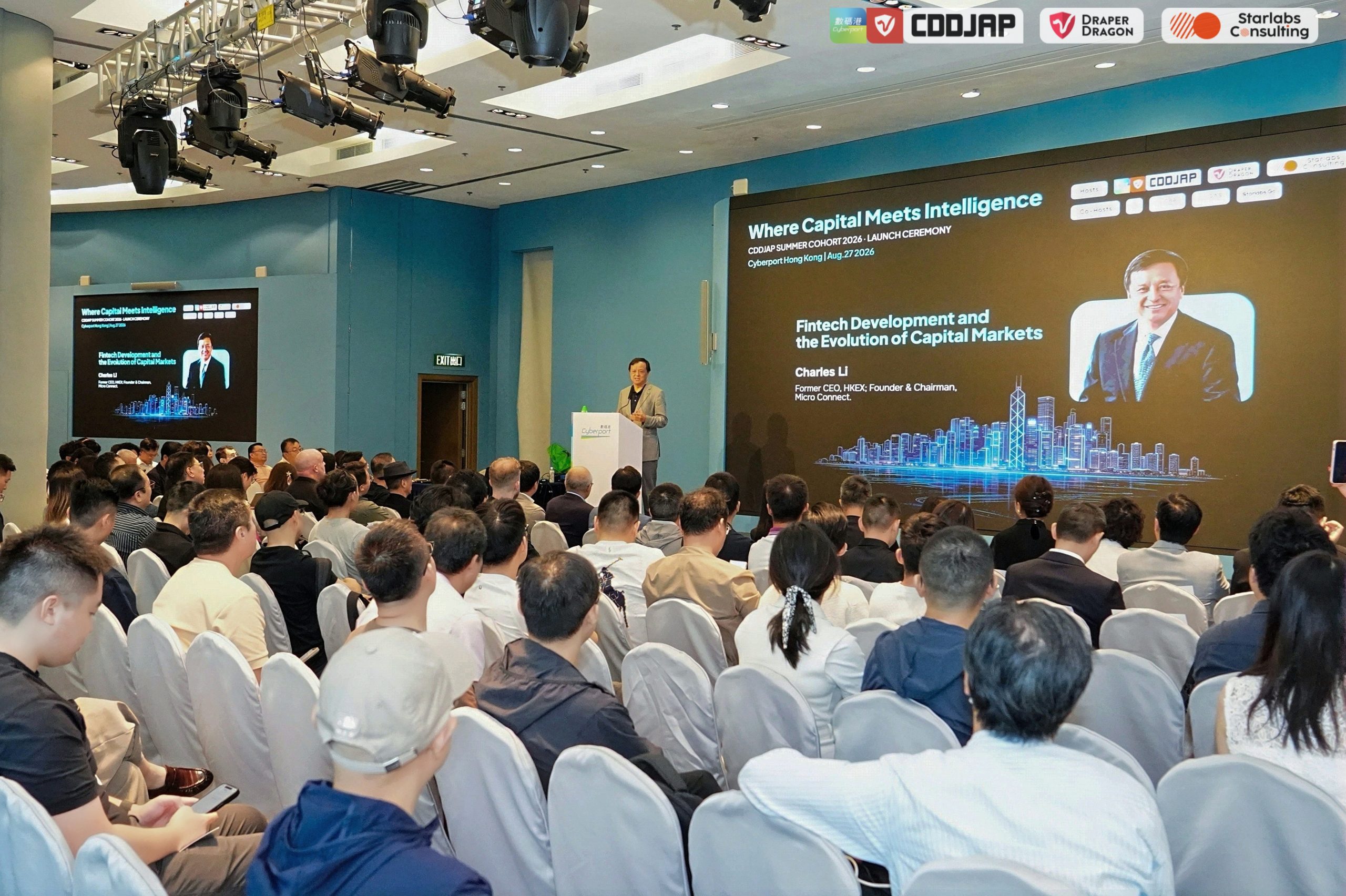
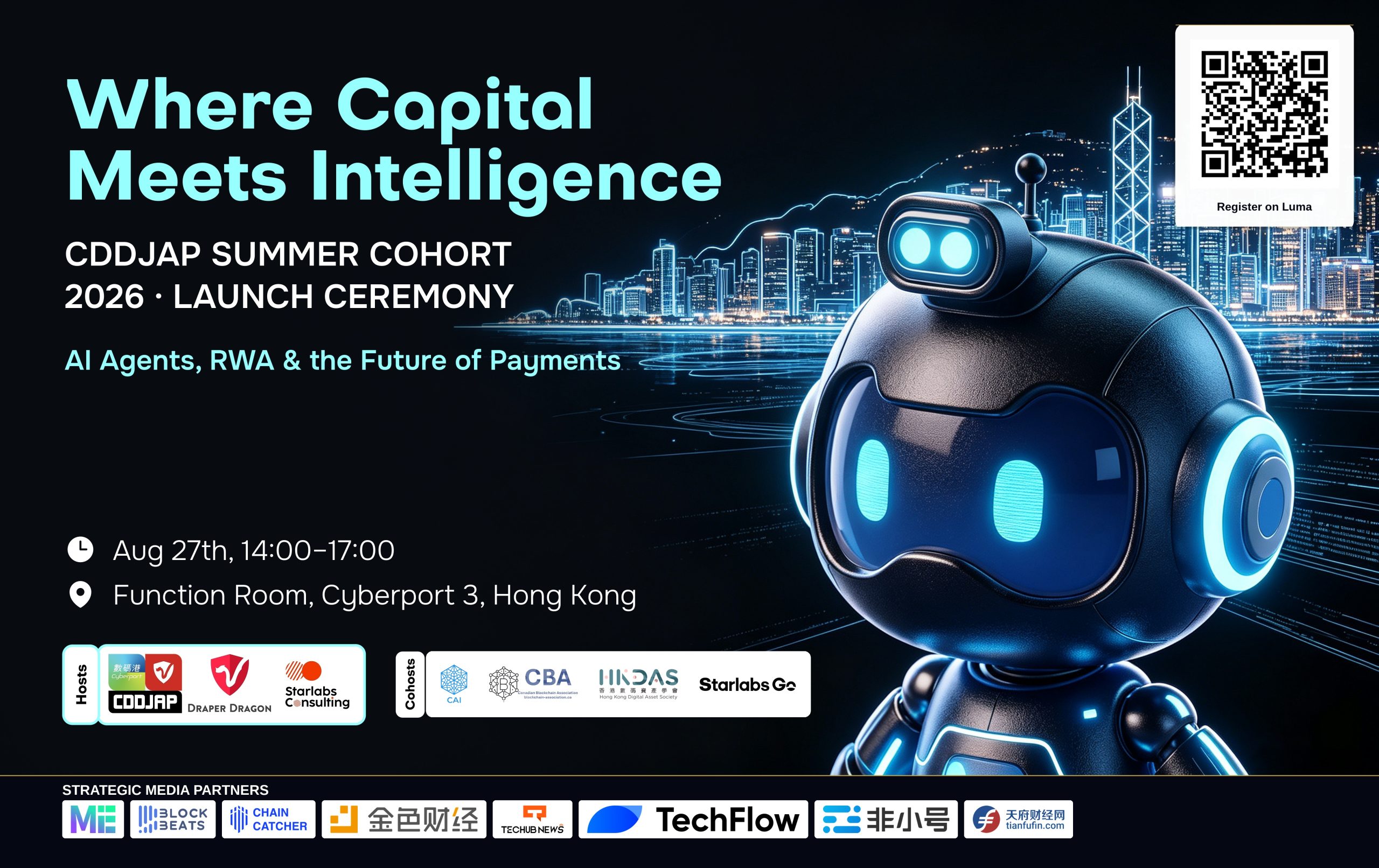
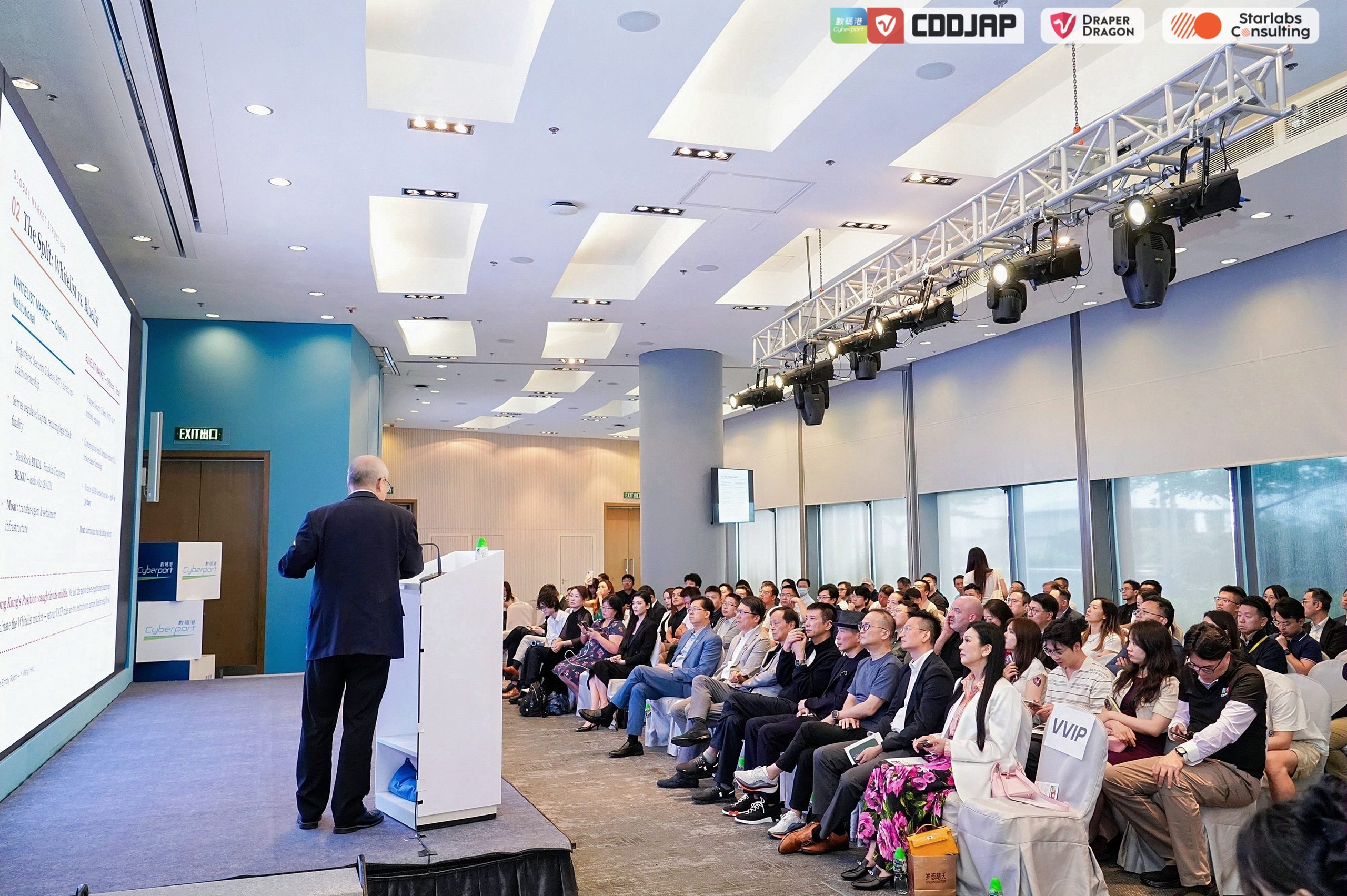
The CDDJAP 2026 Summer Cohort Launch Ceremony, co-hosted by CDDJAP, Draper Dragon and Starlabs Consulting, wrapped up in resounding success yesterday afternoon at Cyberport 3, Hong Kong, with the venue packed to capacity for a forum that lived up to its theme: Where Capital Meets Intelligence.
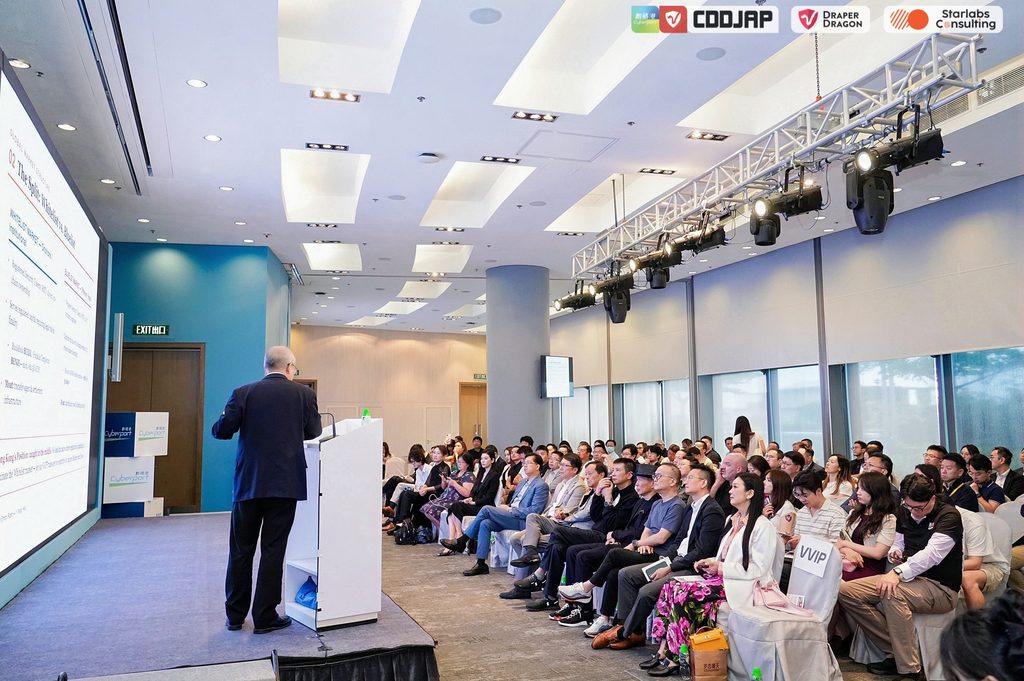
More than 300 guests filled the room — seasoned entrepreneurs, C-level executives, founders of early-stage ventures, builders working at the frontier of fintech, Web3 and AI, and innovators dedicated to connecting Asia’s and Europe’s innovation ecosystems. We were also delighted to see a strong turnout of university students, whose curiosity and energy added an extra spark to the room.
Across a full afternoon of keynotes and roundtables, our speakers offered candid, forward-looking perspectives on Hong Kong’s policy support for startups, sharp reads on where global capital markets are heading, and hard-won operating insight on AI, Web3, RWA and the future of payments. Below, we’ve distilled one core insight from each keynote speaker — full individual transcripts will follow in the coming weeks as part of this recap series.
Eric Chan, Chief Public Mission Officer, Cyberport Hong Kong
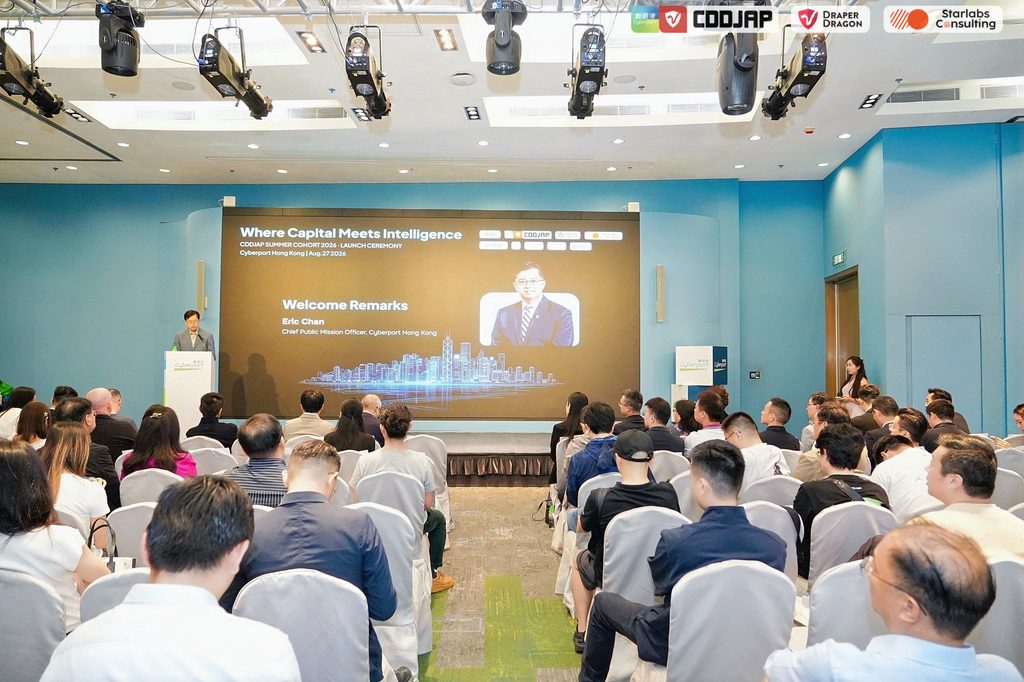
CDDJAP has become a key pillar of Cyberport’s venture ecosystem strategy. Cyberport’s accelerator partnership with Draper Dragon is built to help AI and blockchain startups validate demand, refine their business models, and get funding-ready — the first cohort, completed in May 2026 with 15 projects, has already produced several teams now in active discussions with investors. Looking ahead to the second cohort, Cyberport aims to help even more founders bridge from early traction to regional and global scale.
Larry Li, Founding Partner, Draper Dragon
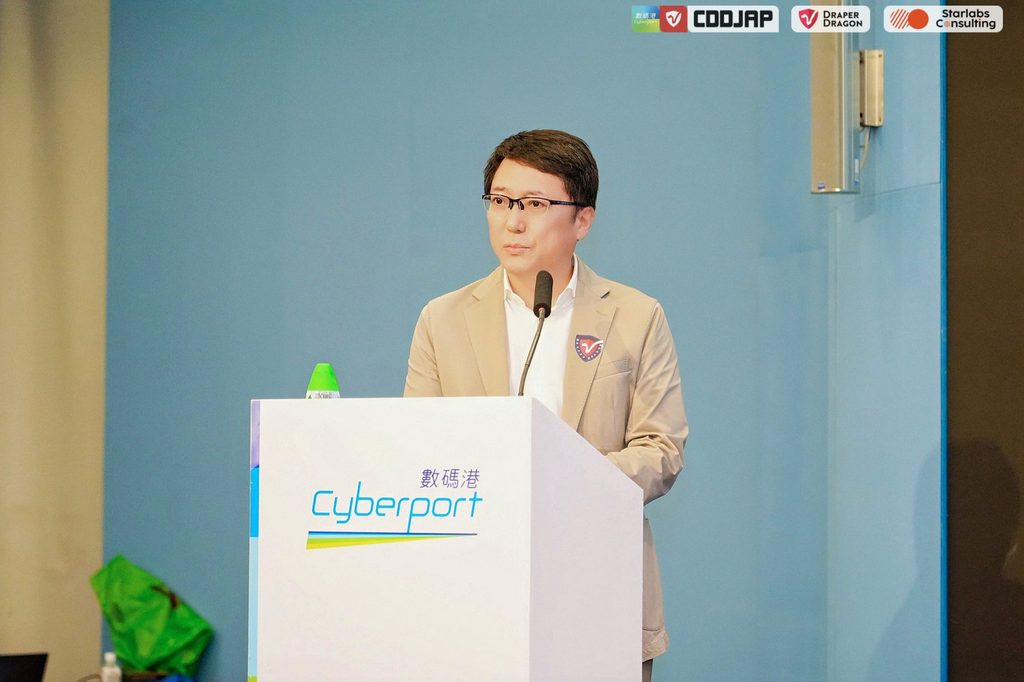
Hong Kong plays a pivotal role in the global AI ecosystem right now. Larry pointed to two concrete opportunities: Token going global — as compute access tightens, Hong Kong is uniquely positioned to help Chinese AI models take their low-cost, high-efficiency token generation to the world; and optical interconnect, where a new generation of technology led largely by Chinese supply chains needs an offshore base to serve global markets, and Hong Kong fits that role.
Prof. Yang Wang, Vice-President (Institutional Advancement), HKU
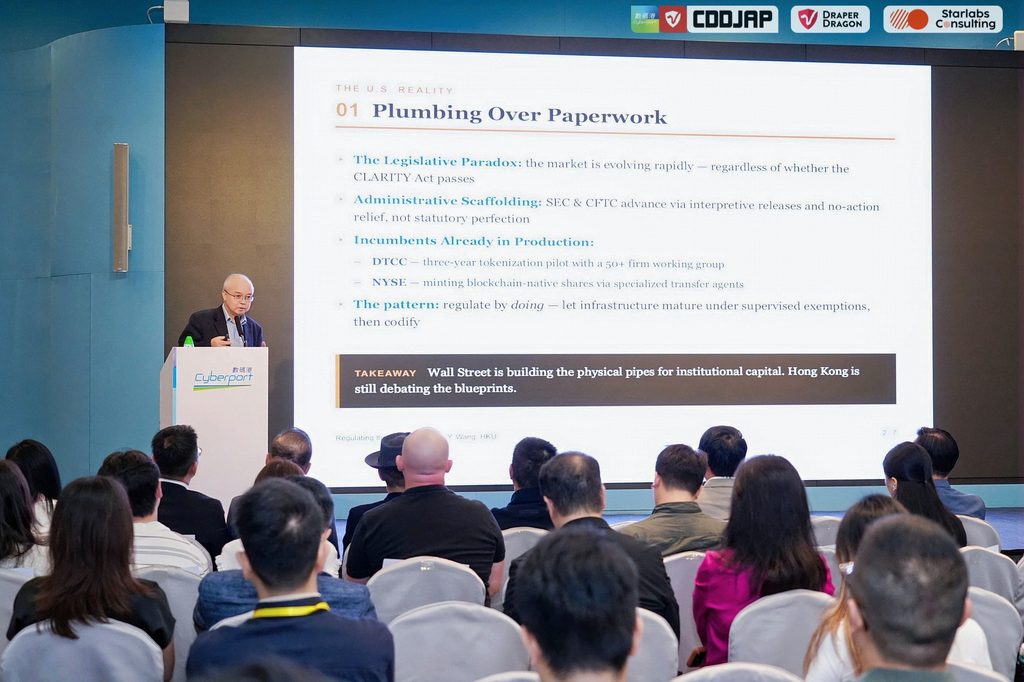
“Regulating the Empty Room — What Hong Kong Can Learn from the U.S. Digital Asset Shift.” Prof. Wang argued that Wall Street is already building the infrastructure to serve institutional capital under a “practice-first” regulatory model, while Hong Kong risks over-regulating a market that hasn’t fully formed yet. His recommendation: prioritize liquidity over license counts, borrow the U.S. playbook of sandbox and no-action exemptions, and design regulation for a future of programmable, agent-run securities.
Charles Li, Former CEO, HKEX | Founder & Chairman, Micro Connect
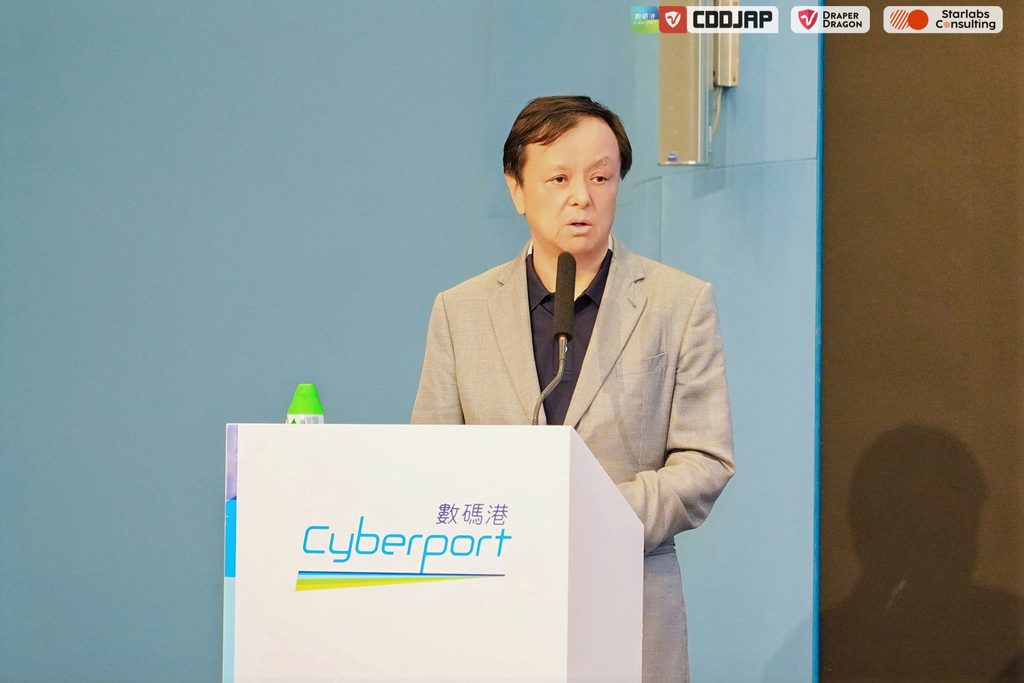
The first principle underlying crypto’s growth has shifted — but its underlying philosophy can radically expand what counts as an investable asset. Charles unpacked how Micro Connect’s new venture, NUMA, tokenizes commercial contracts rather than companies, generating a daily, multi-dimensional Sharpe ratio for each one — a feat only possible today thanks to agentic AI handling the scale of computation involved.
Cai Wensheng, Founder, Longling Capital | Co-founder, Meitu
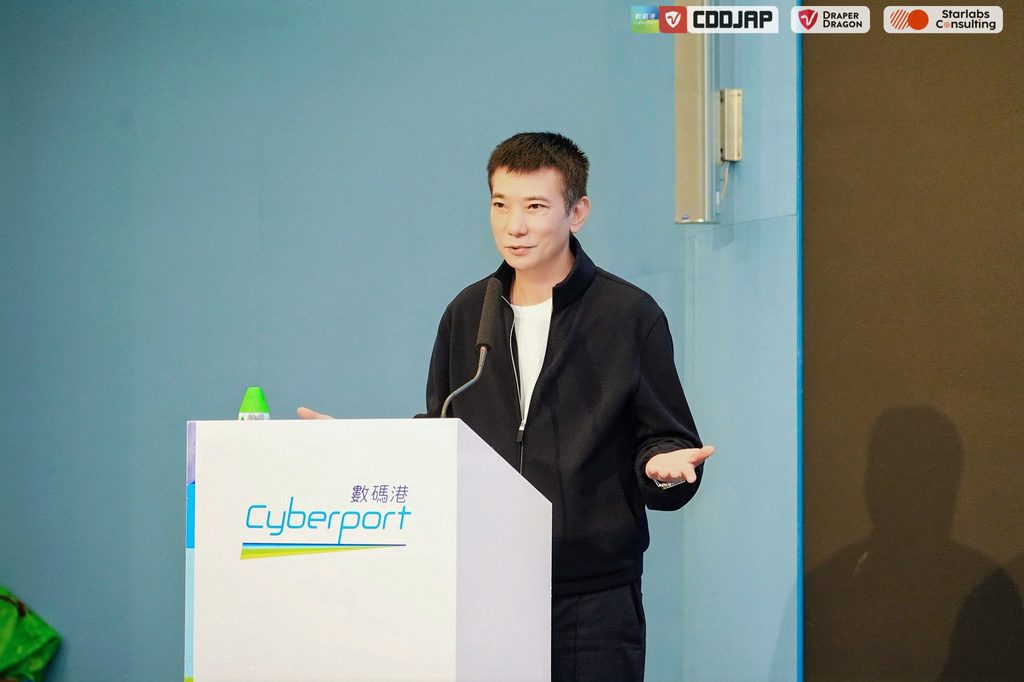
Web3 may be in a lull, but Hong Kong remains an ideal place to build. Cai laid out why the old barriers to building tech giants in Hong Kong — high costs, a small home market, policy that stayed mostly rhetorical — have all fundamentally shifted in the AI era, when lean teams of a dozen people can build unicorns. His advice to founders: don’t chase licenses for their own sake, and don’t assume you need to raise money to succeed.
James Shen (KK), Founder, HashGlobal
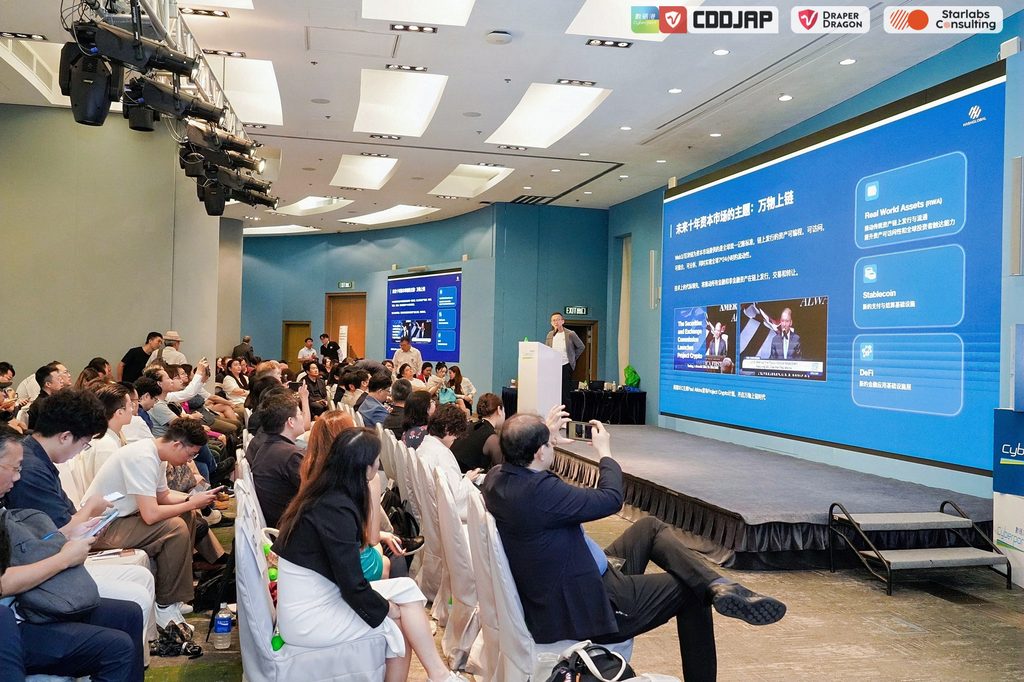
“Hong Kong IFC 2.0: Connecting Asian Assets to Global On-Chain Liquidity through RWA.” James framed Hong Kong’s next chapter as the sequel to its first act as a bridge between Chinese assets and global institutional capital — this time linking high-quality Asian assets to global on-chain capital via compliant tokenization, with BNB Chain’s liquidity and user base as a key distribution layer.
Marco Lim, Executive Committee Member, Hong Kong Digital Asset Society (HKDAS)
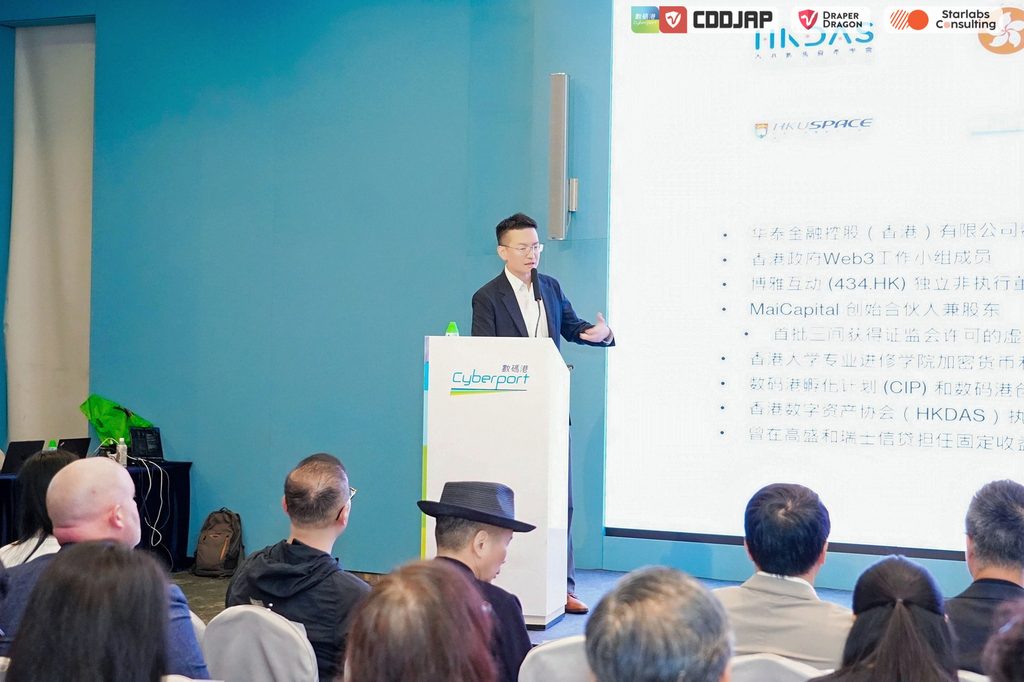
Hong Kong’s path to becoming an “International Compute Hub” runs through three plays: talent education, Web3-powered compute securitization, and a reversal of capital flows — from a destination for southbound capital to a global pricing center for Chinese AI hard-tech assets. Marco noted Hong Kong’s total compute capacity has already reached 5,000 PFLOPS, with Cyberport’s AISC supercomputing center contributing 3,000 PFLOPS at 80% utilization.
This is only the first release in our post-event series. Over the coming weeks, we’ll publish standalone features on each keynote speaker — the full arguments, the data, the frameworks — because conversations of this caliber deserve more than a single recap.
For eight years, Starlabs Consulting has been building at the center of Web3, AI and fintech — advising founders, connecting capital, and convening exactly these kinds of rooms across Asia and beyond. As co-host of the CDDJAP Summer Cohort, that track record is exactly why this partnership works, and yesterday’s turnout is a clear signal: the appetite for serious conversation about capital, AI and Web3 in Hong Kong has never been stronger.
To our hosts and co-hosts, our speakers, our cohort founders, and every partner who helped bring this to life — thank you for building this with us. The second cohort is underway, and we’re just getting started.