
Hong Kong IFC 2.0: Hash Global Founder James Shen (KK) on Connecting Asian Assets with Global On-Chain Liquidity Through RWA

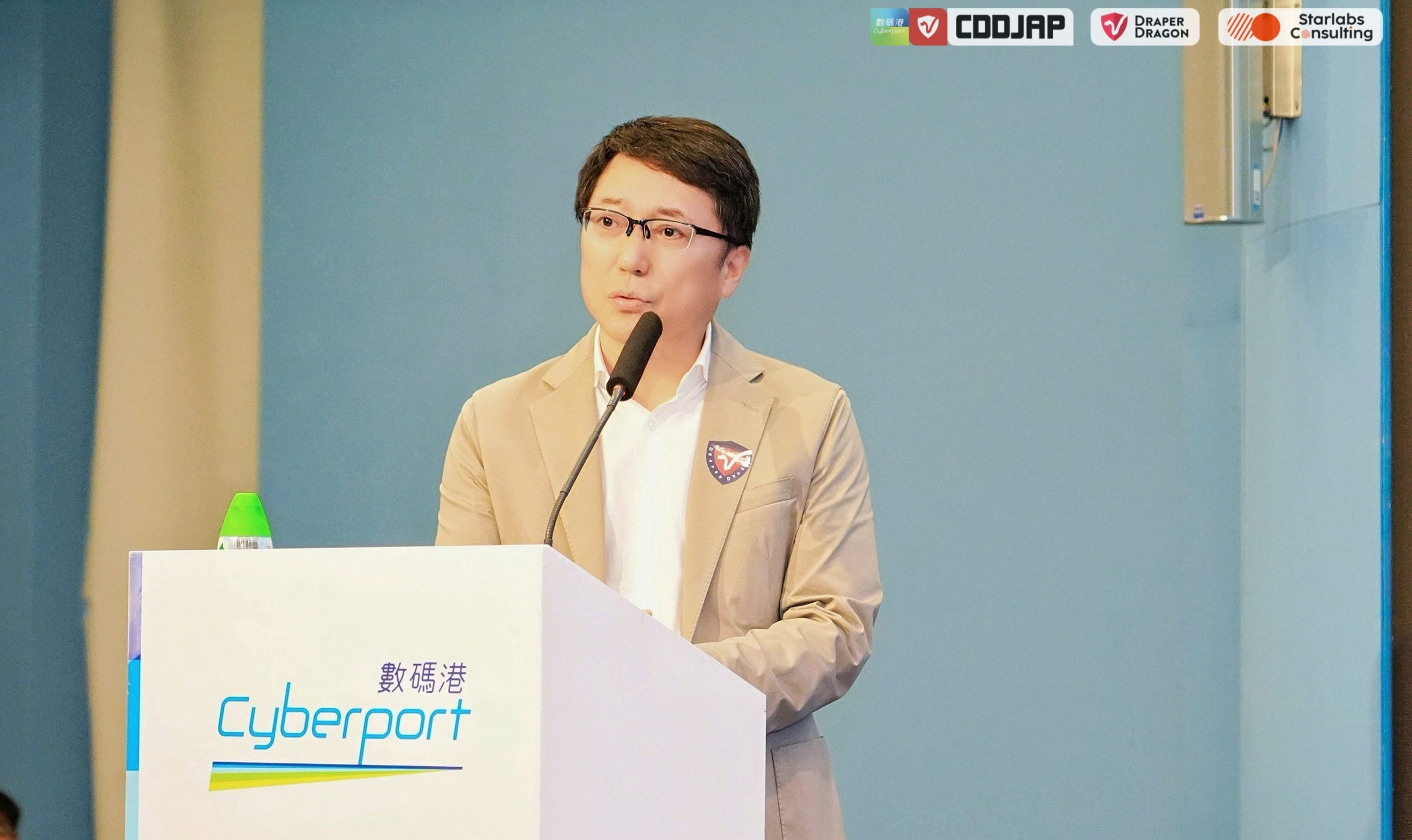
(James Shen (KK), Founder of Hash Global, Delivering a keynote speech)
James Shen (KK), Founder of Hash Global, argues that Hong Kong’s next evolution as an international financial center lies in connecting Asia’s real-world assets with global on-chain capital — combining Hong Kong’s institutional strengths with the liquidity, users and infrastructure of Web3 ecosystems.
The internet has evolved from connecting information to connecting commerce. Its next phase, according to James Shen (KK), Founder of Hash Global, is about connecting assets.
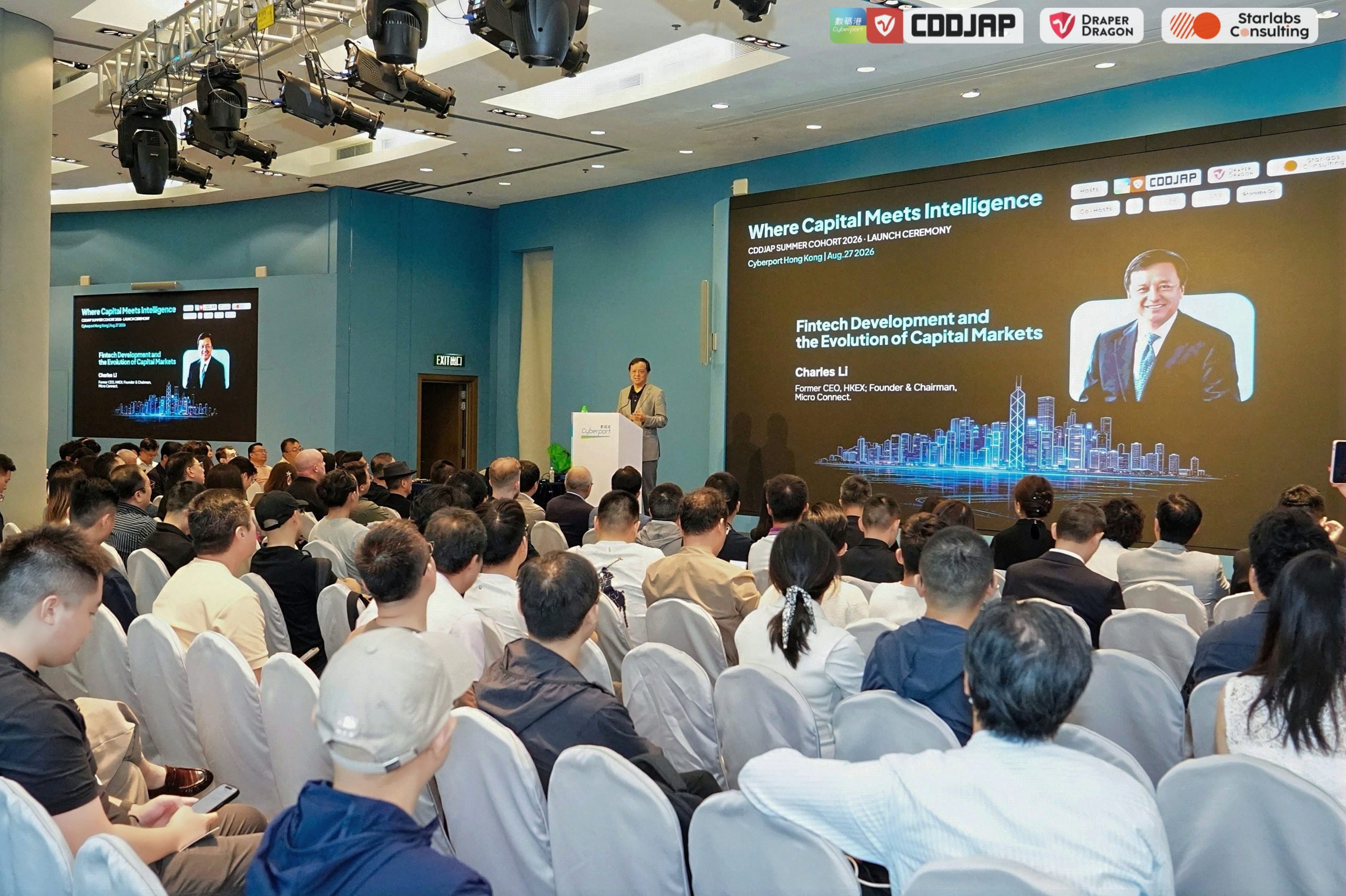
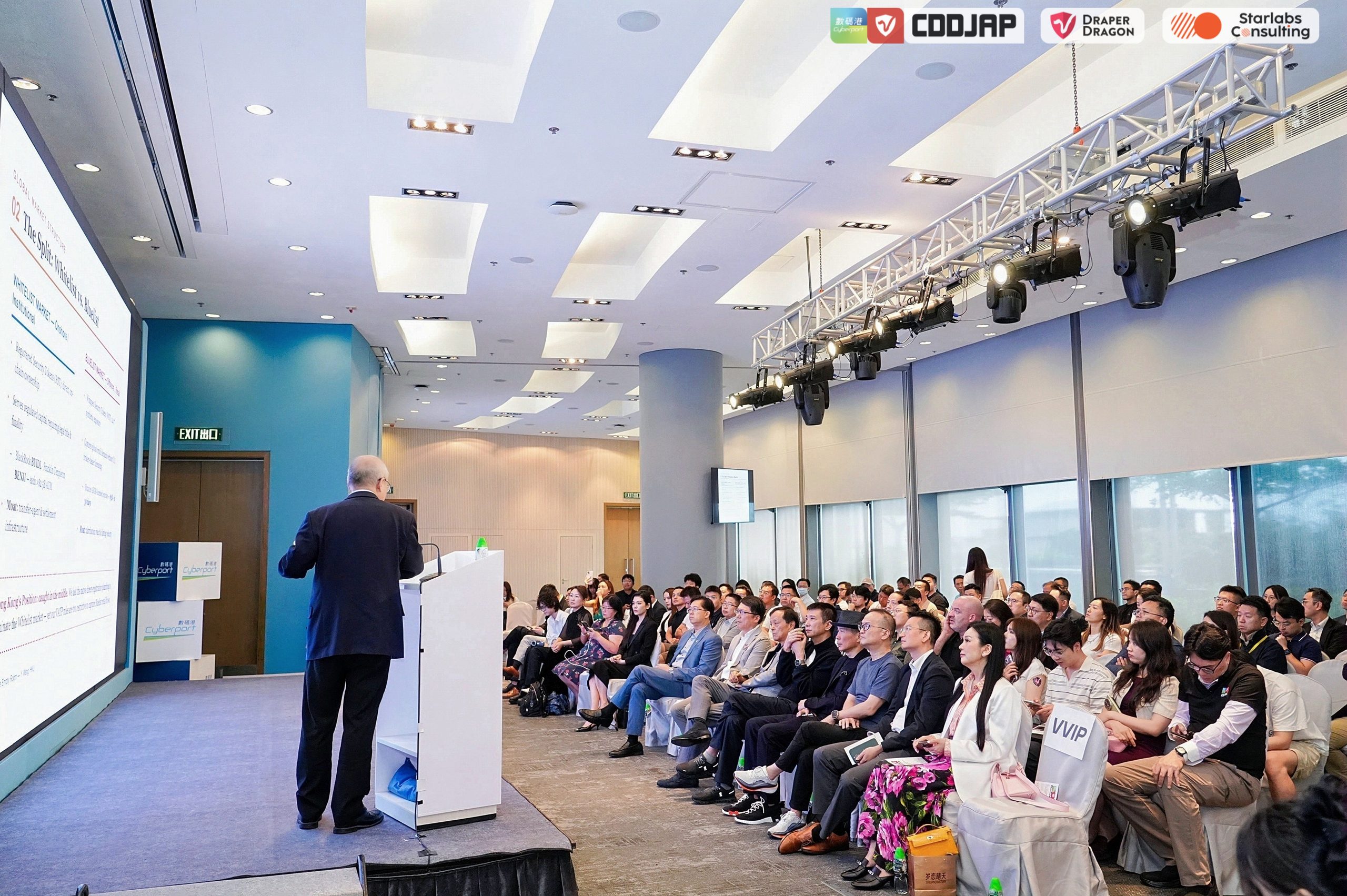
Speaking at the launch of the second cohort of CDDJAP Accelerator, Shen outlined his vision for “Hong Kong IFC 2.0”: a new model for Hong Kong’s role in global finance, built around real-world asset (RWA) tokenization. Rather than simply connecting Chinese assets with traditional global capital, as Hong Kong has done over the past two decades, IFC 2.0 would connect high-quality Asian assets with the expanding world of global on-chain capital and users.
For Shen, the opportunity goes beyond issuing tokenized assets. The real value of RWA begins after issuance — when assets gain access to continuous trading, collateral financing, liquidity and an active on-chain user ecosystem.
From Connecting Information to Connecting Assets
We are entering a new phase of internet development, Shen argued. After the eras of information connectivity and commercial connectivity, the third generation of the internet is emerging around asset connectivity.
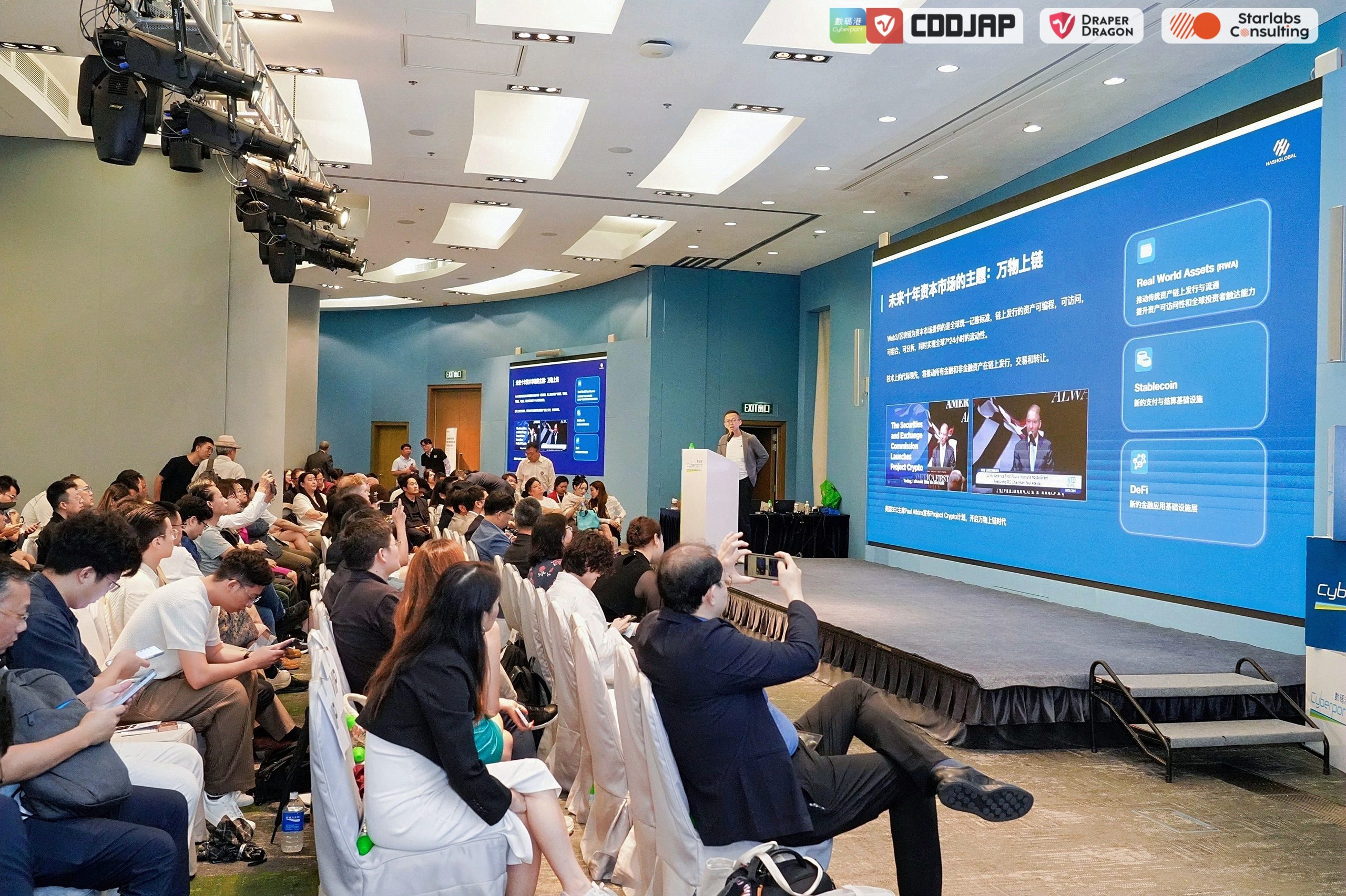
Since 2025, asset tokenization, the transfer of ownership rights and on-chain settlement have become increasingly important development themes. Over the next decade, Shen believes, bringing assets on-chain will be one of the most significant themes in capital markets.
Blockchain and Web3 provide a globally unified accounting infrastructure for capital markets. Tokenized assets can be programmable, divisible and composable, and can circulate globally around the clock. This gives real-world assets a second lifecycle on-chain.
Artificial intelligence is also improving the RWA process, from asset screening and risk assessment to data analysis and automated execution, helping make asset tokenization more efficient.
This shift also changes the operating model of financial products. Traditional finance typically relies on standardized products, distribution through banks and brokerages, and financial media marketing, with distinct channels for institutional and retail clients.
RWA requires a different approach: tailored tokenization structures, distribution through wallets and exchanges, community and KOL engagement, and user ecosystems built around on-chain ownership and rights.
In other words, bringing an asset on-chain is not simply a technical exercise. It requires a new model for product design, distribution and ongoing user engagement.
RWA Extends Beyond Traditional Financial Assets
RWA is often associated with government bonds, funds, fixed-income products and real estate. Shen argued that its scope is much broader.
Non-financial assets — including entertainment intellectual property, membership benefits and collectibles — can also be tokenized and connected to on-chain ecosystems.
Financial RWAs offer an entry point into the institutional market. Non-financial RWAs, meanwhile, can unlock new commercial use cases and expand the boundaries of Web3.
Two developments support this broader ecosystem. Stablecoins are becoming a new foundation for payments and settlement, while decentralized finance (DeFi) provides the underlying infrastructure for on-chain applications.
Shen also pointed to developments in the United States, including the SEC’s Project Crypto initiative, as evidence of the growing momentum behind the tokenization of a wider range of assets.
Together, these developments create an opportunity to connect traditional assets with a global digital financial ecosystem — not only through issuance, but through their ongoing use and circulation.
Hong Kong IFC 1.0: Connecting Asian Assets with Traditional Global Capital
Hong Kong has already demonstrated its ability to connect Asian assets with international investors.
Over the past two decades, Hong Kong has served as a bridge between Chinese assets and global traditional capital. Through established listing, financing, trading and professional services, it has helped transform equity, debt and real-economy assets from mainland China and across Asia into financial products that global institutions can understand, access and hold.
Shen described this as Hong Kong’s IFC 1.0 model: making Asian assets accessible to the global traditional financial system.
Today, Hong Kong has also laid important foundations for the development of Web3 finance and RWA. These include an evolving regulatory framework and licensing regime for digital assets, market experience with tokenized government bonds, a regulatory framework for stablecoin issuers, and a deep pool of expertise across banking, brokerage, law, accounting and cross-border capital markets.
Building on these strengths, Hong Kong has an opportunity to move into its next phase: IFC 2.0.
Hong Kong IFC 2.0: Connecting Asian Assets with Global On-Chain Capital
The distinction between the two models is straightforward.
IFC 1.0 connects Asian assets with global traditional institutional capital. IFC 2.0 aims to connect Asian assets with global on-chain capital and users.
Under this model, high-quality underlying assets from across Asia would be identified and structured into investable products. Within Hong Kong’s regulatory framework, these assets could undergo compliant structuring and tokenized issuance before connecting to global stablecoin capital and on-chain ecosystems.
The objective is to enable assets to circulate and operate continuously, rather than remain confined to traditional market hours or distribution channels.
But Shen emphasized a critical point: the value of an RWA does not end when its token is issued. In many respects, that is when the real work begins.
Issuance draws on traditional financial expertise to organize assets, establish compliant structures and clarify ownership rights. Unlocking their full value, however, requires post-issuance operations — including sustained trading, collateral financing and liquidity provision.
Hong Kong is well positioned to make assets credible and institutionally acceptable on-chain by addressing regulatory compliance, ownership verification and legal structuring. Yet assets also need the wider on-chain ecosystem to supply capital, users, trading venues and lending opportunities.
For Shen, Hong Kong and global Web3 ecosystems are therefore not competitors. They are complementary parts of the same system. Hong Kong can serve as a center for bringing Asian assets into global on-chain finance, while on-chain ecosystems provide the networks and liquidity that help those assets become active.
Why the BNB Ecosystem Matters
Within this model, Shen identified the BNB ecosystem as an important source of global on-chain liquidity.
He pointed to its extensive global user base, substantial stablecoin liquidity and broad infrastructure, including public blockchain networks, wallets, decentralized exchanges and lending protocols. Together, these capabilities can support tokenized Asian assets through global distribution, 24/7 trading and collateralized borrowing.
Shen also highlighted the ecosystem’s engagement with major traditional financial and Web3 institutions, including BlackRock and Circle, as part of its broader institutional connectivity.
The strategic proposition is to combine Hong Kong’s capabilities in asset structuring and regulated financial services with the reach and functionality of a global on-chain ecosystem.
Rather than building a self-contained tokenization market, Hong Kong can connect its assets to existing networks of users, capital and applications.
Hash Global’s Role: Building the Bridge Between Institutions and Web3
Shen described Hash Global as an active participant in this process.
The firm has invested across the Web3 landscape, including RWA, public blockchain infrastructure, DeFi, cryptographic security and Web3 applications. As an early node operator in BNB Chain, Hash Global has also developed close ties with the BNB ecosystem.
Its activities include establishing a compliant BNB yield fund with strategic support from YZi Labs, creating a bridge for traditional institutions seeking exposure to the Web3 ecosystem. Hash Global also organizes closed-door forums and industry discussions to connect Asian institutions with on-chain resources.
Alongside investing in RWA infrastructure, the firm provides strategic advisory services to Asian financial institutions seeking to develop and implement RWA initiatives. Shen positioned Hash Global not simply as an investor, but as an ecosystem builder helping translate the IFC 2.0 vision into commercial projects.
He cited several illustrative initiatives in development:
- Japanese real estate: an RWA project involving interests in Japanese real estate trusts.
- Stablecoin liquidity: building on-chain channels for stablecoin liquidity.
- Traditional financial products: exploring on-chain distribution for products from a leading Asian financial holding group.
- Intellectual property and collectibles: tokenizing IP-based collectibles, such as trading cards, to explore new models of on-chain user engagement.
Together, these initiatives illustrate how RWA can extend beyond token issuance to encompass distribution, liquidity and user operations across both financial and non-financial assets.
Four Elements for a Complete IFC 2.0 Ecosystem
Shen concluded that Hong Kong IFC 2.0 requires four complementary elements to work together:
Hong Kong provides a trusted institutional framework, regulatory structures and professional financial expertise.
Asia supplies a broad range of high-quality underlying assets that can be structured and brought on-chain.
The BNB ecosystem provides global users, stablecoin capital and on-chain liquidity infrastructure.
Hash Global acts as the connecting force, helping bring the different participants together and move projects toward implementation.
No single participant can build the entire system alone. The opportunity depends on connecting the strengths of each side into a functioning market.
From IFC 1.0 to IFC 2.0
Hong Kong IFC 1.0 demonstrated that the city could connect Chinese assets with global traditional capital. Shen’s vision for IFC 2.0 is to demonstrate that Hong Kong can also connect Asian assets with the much broader world of global on-chain capital.
The next stage of Hong Kong’s financial development will require more than compliant token issuance. It will depend on combining institutional credibility with global distribution, liquidity and real-world use cases.
Hong Kong brings the regulatory and financial expertise; on-chain ecosystems bring the networks and liquidity. Working together, they can help unlock the next set of opportunities created by RWA.
This is part of our ongoing recap series from the CDDJAP 2026 Summer Cohort Launch Ceremony. Read the full event recap here — more standalone speaker features are coming over the next few weeks.